

Support throughout the digital asset recovery process
Legal and technical assistance with digital asset recovery.
Initial contact and assessment
We start by examining what happened.
When you contact us, we promptly review where and how the funds were stolen, what you have already done and the prospects for recovery.

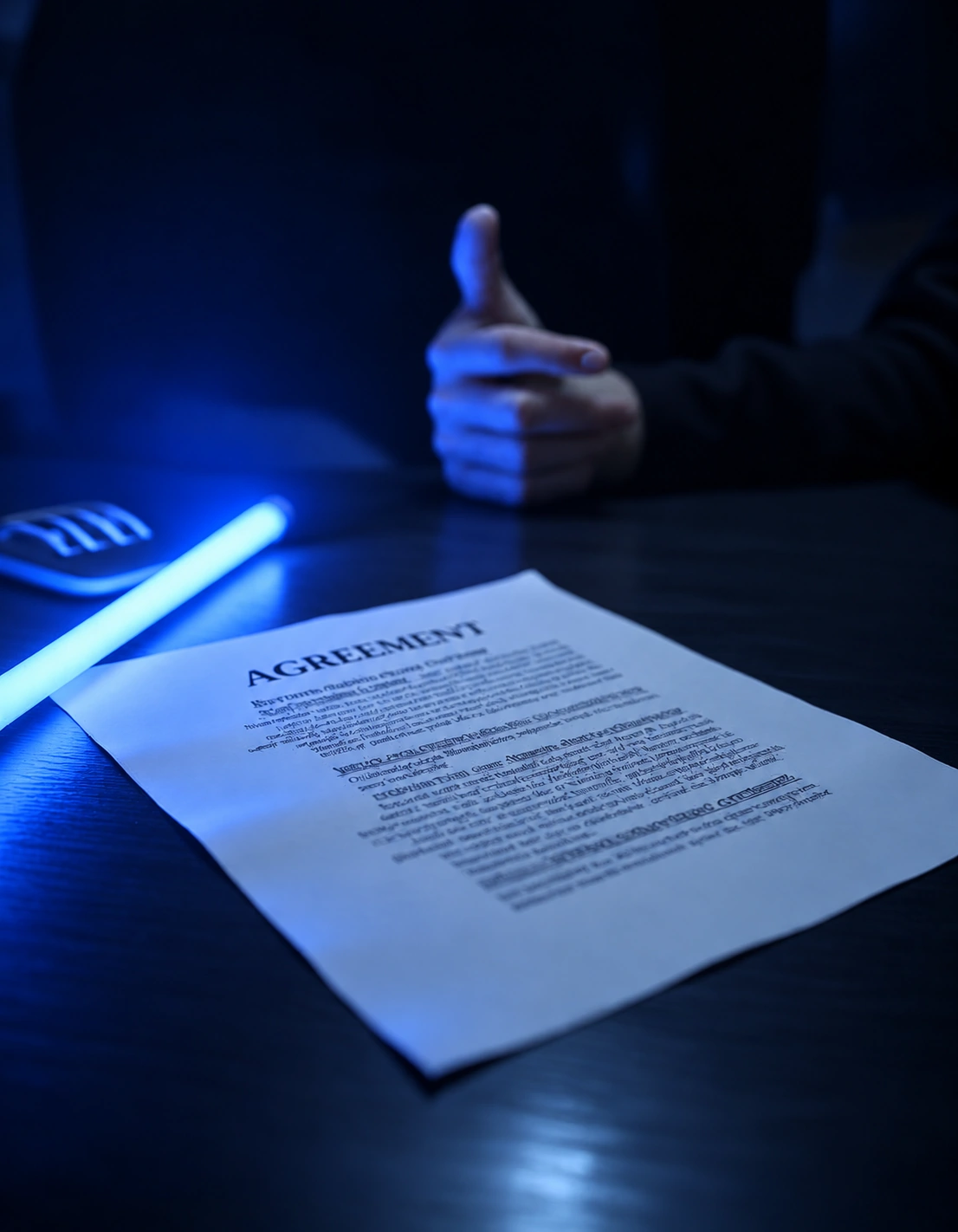
Signing an agreement
We agree on the plan and costs before work begins.
We enter into an agreement with you, including a legal services agreement, setting out confidentiality terms and a clear plan.
The agreement details the cost and each stage of the work.
Blockchain analysis
Reconstructing the route taken by stolen funds.
We trace the movement of stolen funds on the blockchain, map transaction paths and identify where the cryptocurrency is currently held.
Tracing funds
Mapping transaction routes
Locating the assets
Flagging cryptocurrency linked to theft
We document the connection between the assets and the theft.
Using the tracing results, we prepare an analytical opinion and assist with flagging the cryptocurrency as tainted in AML systems.
Flagging can support requests to freeze assets on exchanges and make it harder to launder the stolen funds.
AML officers and international cooperation
Specialist review of digital assets and their risk status.
We involve AML officers and work with blockchain analytics services. This helps document the origin of assets, support risk flags and work with exchanges and regulators under international procedures.

- 01Expert opinion
Preparation of an expert opinion based on asset and transaction analysis.
- 02Exchanges and regulators
Communication about associated addresses, transactions and justified restrictions.
- 03Watchlists
Materials for submitting addresses and identifiers to international risk lists.
- 04Digital asset flagging
Documenting the basis for international AML flags on stolen funds.
- 05International investigations
Analytical support and assistance with documentation in cross-border cases.
- 06International cooperation
Preparing and coordinating materials for the relevant authorities and organisations.
Address alerts
Alerts flag movement as soon as a new transaction occurs.
We set up alerts for selected addresses. When funds move, automated notifications let the team respond promptly.
The address remains under observation.
A new transaction triggers an alert.
The team can review the information immediately.
24/7 monitoring and manual AML analysis
Specialists review the activity behind automated alerts.
We arrange continuous monitoring. The AML specialist on duty tracks movements and promptly prepares freeze requests when funds reach centralised services.
When transfers pass through decentralised exchanges, we also analyse the transactions manually. We continue to trace the route and update risk flags for newly associated assets.

Preparing a cybercrime report
We help you start the official process for reviewing the incident.
We help prepare a cybercrime report for law enforcement regardless of the client’s country.
This can initiate criminal proceedings in the relevant jurisdiction and, where the circumstances warrant it, an international investigation.
Lawyers’ requests for an emergency freeze
We contact platforms while the report is being filed.
Lawyers send requests to centralised exchanges and services describing the incident and identifying the associated funds.
The aim is to freeze assets promptly, before a court issues a seizure order, where the platform’s procedures allow it.
Technical investigation and evidence collection
We examine the transactions and the infrastructure behind the fraud.
We use open-source intelligence and technical research to identify domains, hosting services, DNS records and associated IP addresses used in the incident. We cross-check these against WHOIS data and public registries.
We organise the findings in detailed analytical reports for subsequent legal and technical use.
Submitting materials to the authorities
Evidence must be usable in official proceedings.
We submit reports and evidence to law enforcement and courts, taking account of where the crime occurred and which jurisdiction applies.
We document technical findings so they can be used in further proceedings and international cooperation.

Applying to the court for asset seizure
The identified funds must be documented in the case.
We prepare and support a court application to seize the identified assets and have them recorded as evidence.
We work within the relevant jurisdiction, including in international cases. The aim is to formally establish the link between the funds and the theft.
Application for the return of assets
From the evidence to a decision on recovery.
We apply to the court with the findings of the investigation and the evidence collected.
The aim is a court decision ordering the return of the cryptoassets to the victim.
Investigation findings
Collected and organised evidence
Application to return the funds to their owner

Enforcement and return of funds
A court decision still needs to be implemented.
Once a court orders the return of cryptoassets, we support representation of the client before exchanges and law enforcement, including in international cases.
The aim at this stage is to carry out the practical and technical steps needed to return the funds to their owner.
Crediting the client’s account
Support through to receipt of the assets in your crypto wallet.
Under the procedure described, the assets are transferred to the client’s account at the exchange where they were frozen and to which the court order applies.
We support the client through completion of the transfer and receipt of the funds in their wallet.
From first contact to asset recovery
Technical and legal work proceed together. Depending on the case, some stages may run in parallel.
- 01Initial contact and assessment
- 02Signing an agreement
- 03Blockchain analysis
- 04Address alerts
- 05AML flagging
- 06Ongoing AML monitoring
- 07Assistance and filing a report
- 08Freeze requests
- 09Investigation and evidence collection
- 10Submitting the evidence
- 11Applying for asset seizure
- 12Application for return
- 13Enforcement of the order
- 14Return of funds to the client

Start with a review of your situation
Tell us what happened. We will identify what information is available and where to start.
For your first enquiry, prepare a short description of the incident. If available, include the date, blockchain network, asset, transaction IDs (TXIDs) and public wallet addresses.